Custom Valve Body & Pump Parts Die Casting
Our advanced die-casting engineering and rigorous quality control make us the trusted partner for precision valve and pump components worldwide.
Precision CNC Machining
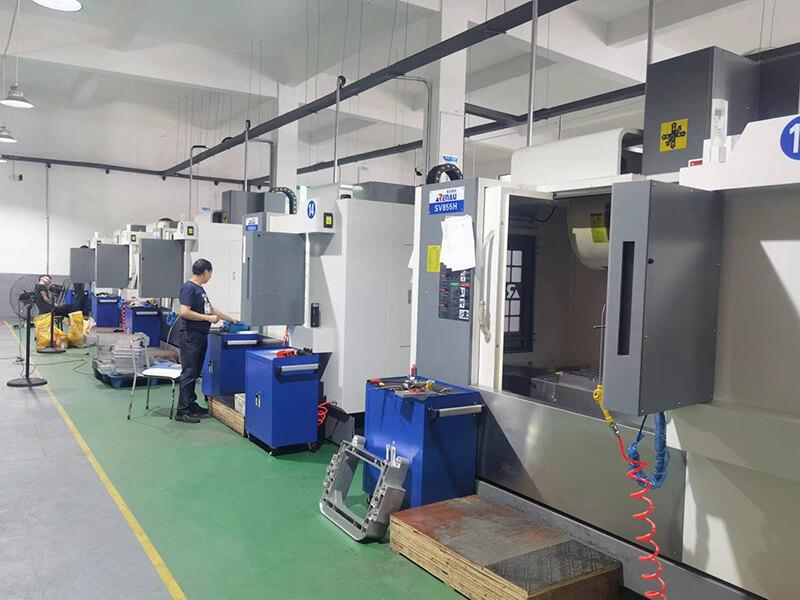
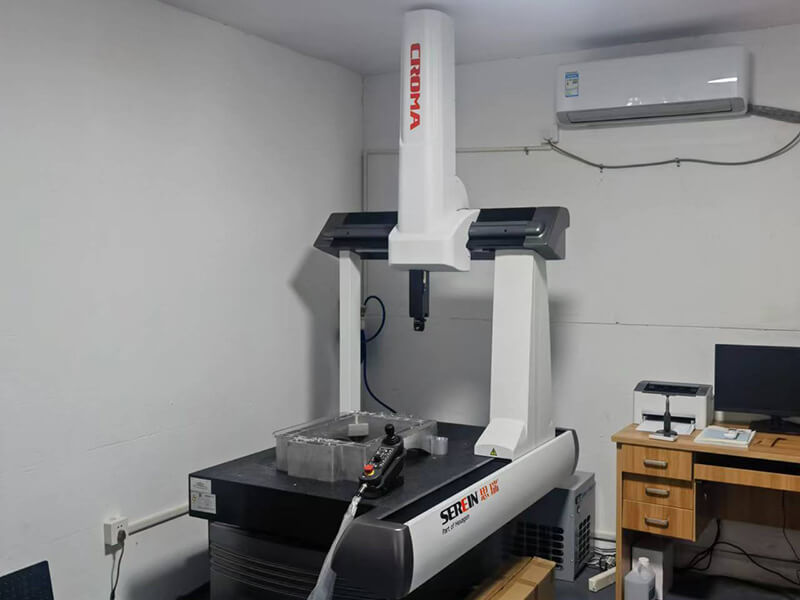
CNC finishing for critical sealing faces, threaded ports and bearing seats — tolerances to ±0.02 mm on critical features, verified by CMM (sampling per your QC plan).
Strict QC — Surface to Core
100% visual inspection, dimensional sampling, X-ray verification of internal integrity where required — plus leak/pressure testing to your specification.
Low-volume trials from a few hundred pieces and scalable volume production — MOQs set per project, including projects many factories decline.
Explore our precision die-cast components custom-manufactured for pumps, valve assemblies, HVAC, and fluid control systems.
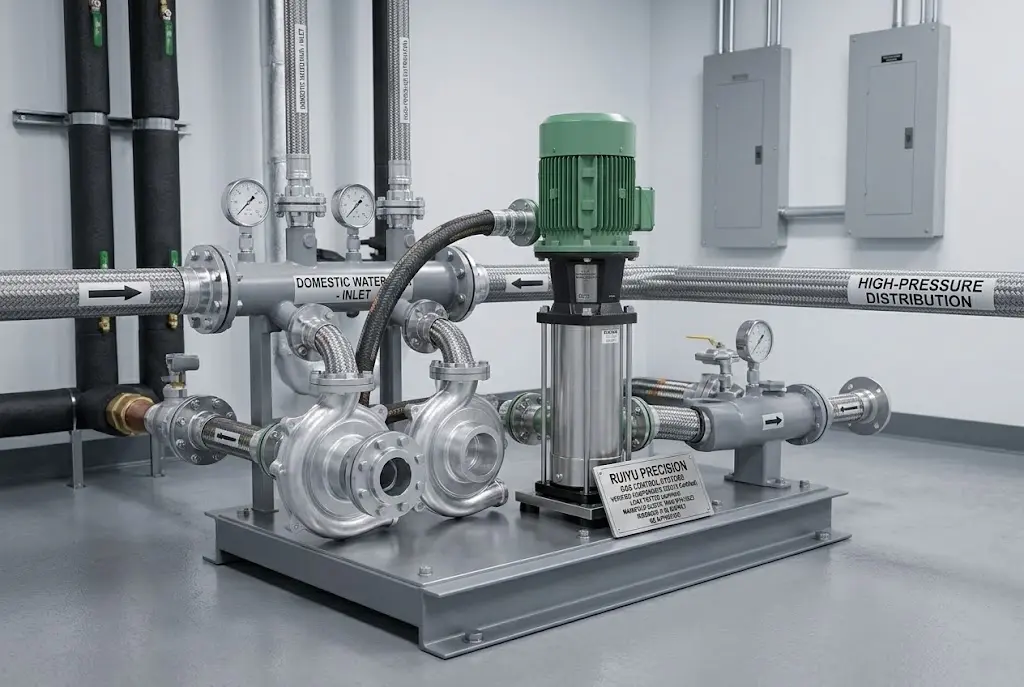
Aluminum die-cast housings for circulation pumps, pool pumps and automotive fuel pump applications. Dense wall sections for pressure-containing chambers, with machined mounting faces and port features.
Aluminum and zinc alloy valve bodies, bonnets and end caps for ball, check and control valve assemblies. Dense sections for pressure-containing chambers, with machined sealing faces.
Zinc and aluminum alloy end caps, covers and flanges engineered to match your body castings — consistent fits, tight sealing-face tolerances and quality surface finishes.
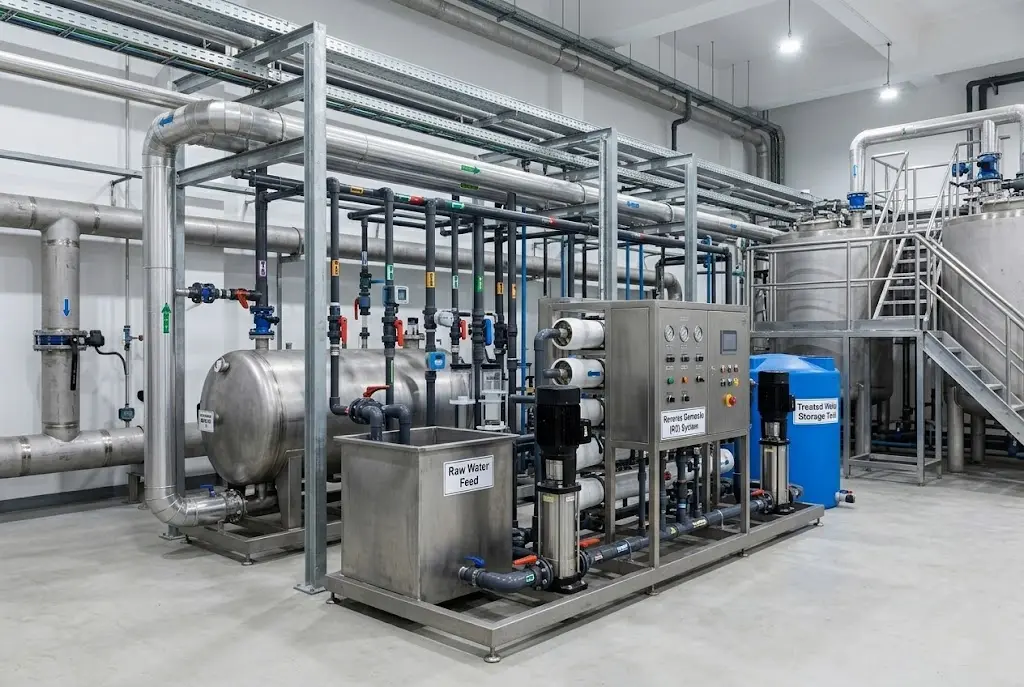
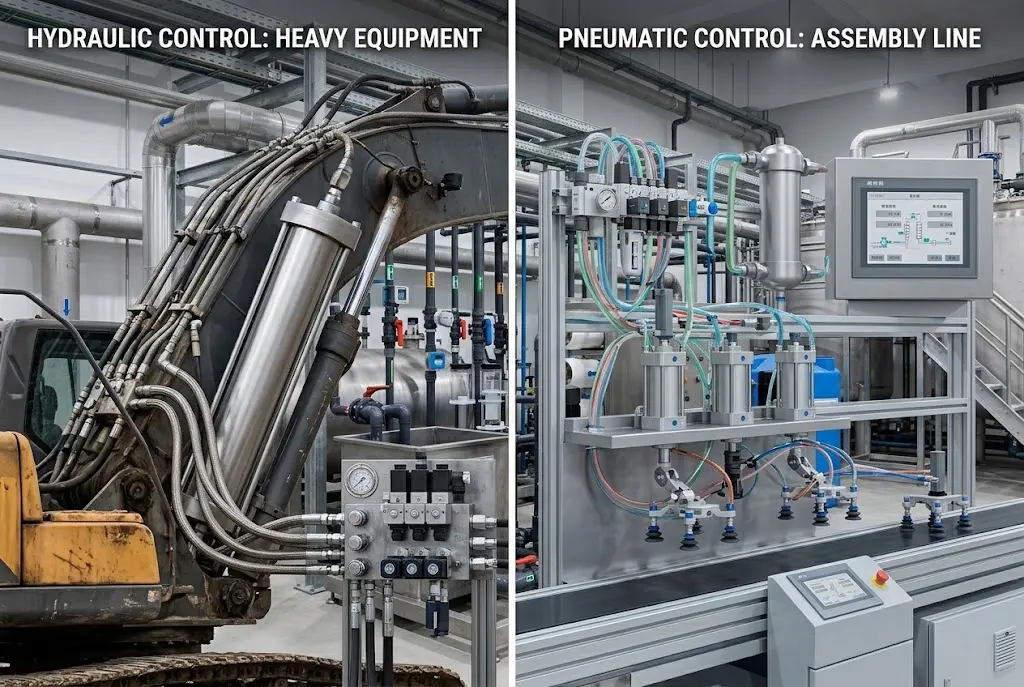
Our custom die-cast valve bodies and pump housings are engineered to deliver pressure-tight performance across specialized industrial sectors.


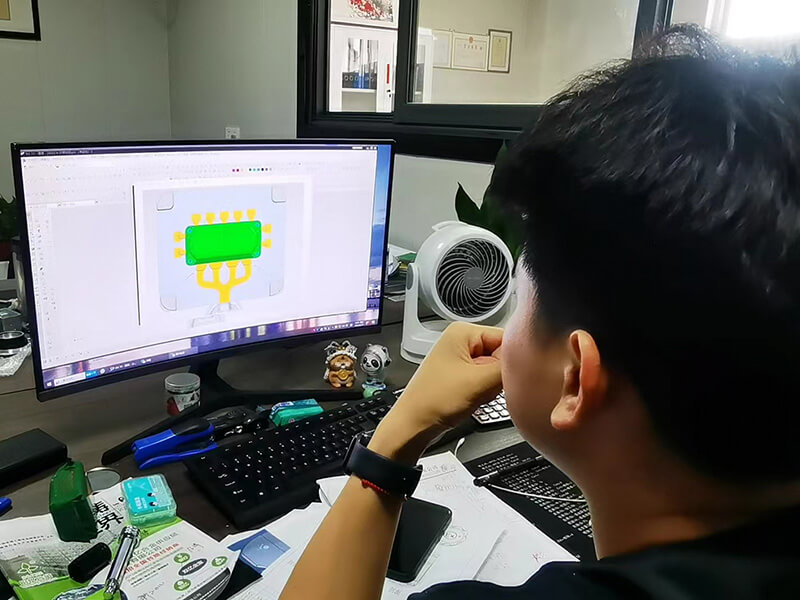
Advanced moldflow analysis and 3D tooling development customized according to your STEP, IGS, or CAD files.
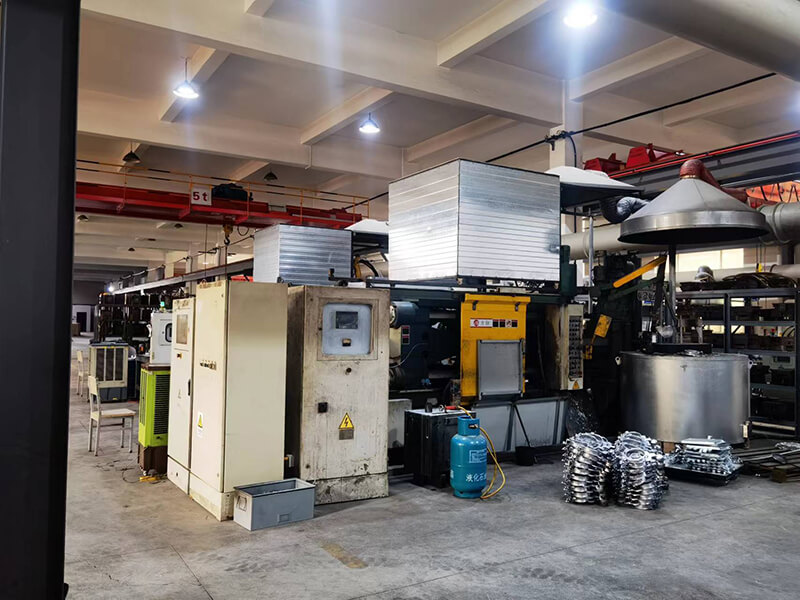
Equipped with diverse tonnage die-casting machines and stable hardware supply chains for robust, high-performance component forming.
Eliminate middleman markups. Operating with a veteran quality control standard from premium material selection to final inspection, our factory-direct model delivers consistent durability and maximum security at transparent, competitive pricing.
Valve bodies, bonnets and end caps; pump housings and volutes; impeller and rotor components; manifolds, fittings and threaded ports; plus motor-pump assemblies that combine the pump chamber and mounting features in one casting.
Sand casting suits one-offs and very large parts. Die casting wins on surface finish, dimensional consistency and unit cost once volumes justify tooling. If your volume sits in the grey zone, we assess both routes at the DFM stage and tell you honestly which fits.
Most housings and bodies are cast in aluminum alloys such as ADC12 and A380 for strength, pressure-containing sections and corrosion resistance. Small precision components are cast in zinc alloys (Zamak 3/5) where fine detail and plating quality matter. Final alloy is confirmed at DFM.
Yes. We work from 3D models, 2D drawings with critical tolerances, or physical samples. The DFM review covers wall sections, draft, port positions and sealing-face machining allowances before tooling is cut.
As-cast and machined surfaces are toleranced separately in the DFM review. Sealing faces, bearing seats and threaded ports are finished by CNC to ±0.02 mm on critical features, verified by CMM (sampling per QC plan); routine dimensions are checked with calipers and gauges.
Powder coating and e-coating for corrosion protection, and plating for zinc fittings. Coated parts are verified with cross-hatch adhesion testing, thickness measurement and color checks.
Tooling development takes 35–45 days, with first samples 10–15 days after tooling completion and production in 30–45 days. We review and quote low-volume projects case by case, including volumes many factories decline.