Trailer security is often underestimated until a loss happens. In most cases, trailer theft is not caused by brute force—but by weak or poorly designed locking systems that fail under real outdoor conditions.
For RV owners, distributors, and trailer accessory buyers, selecting the right coupler lock is not just a product decision. It is a risk control decision that affects long-term customer satisfaction and brand reputation.
This guide explains how to evaluate trailer coupler locks from a sourcing and engineering perspective.
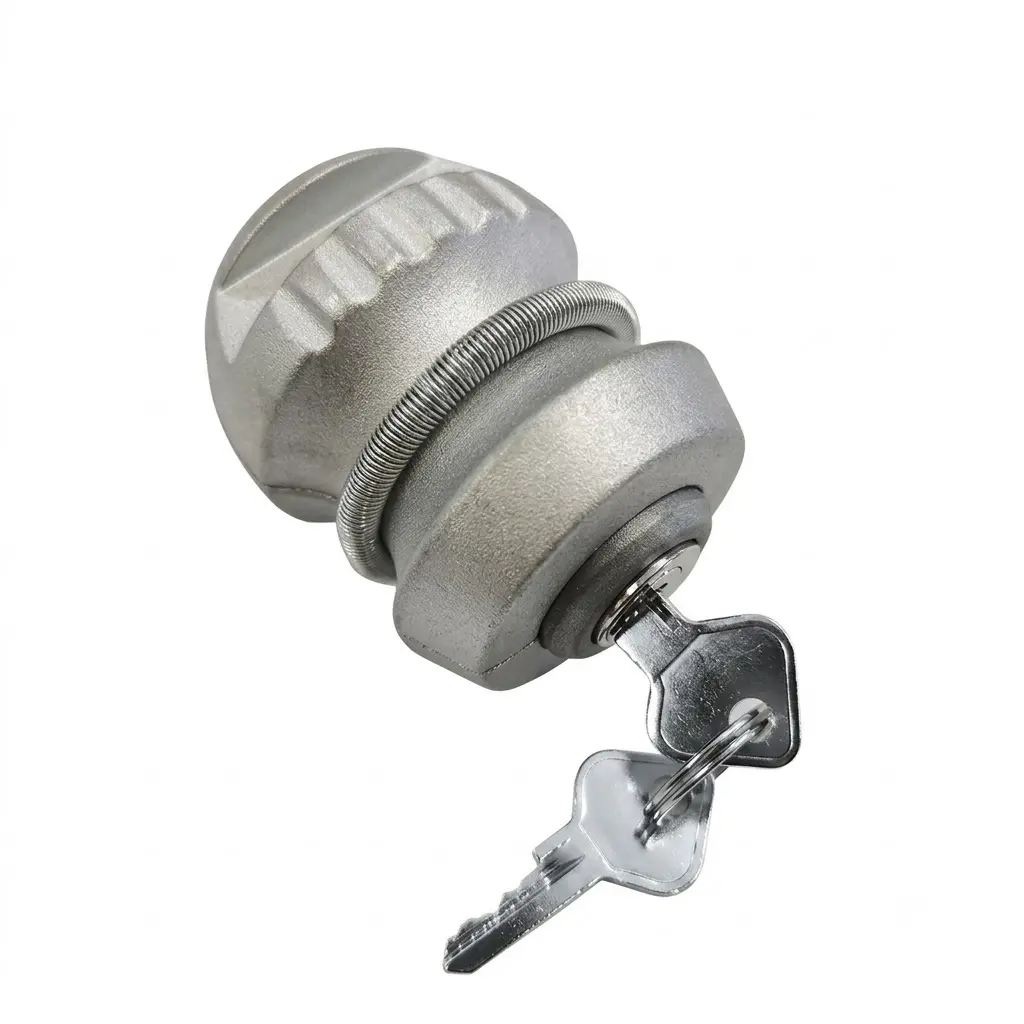
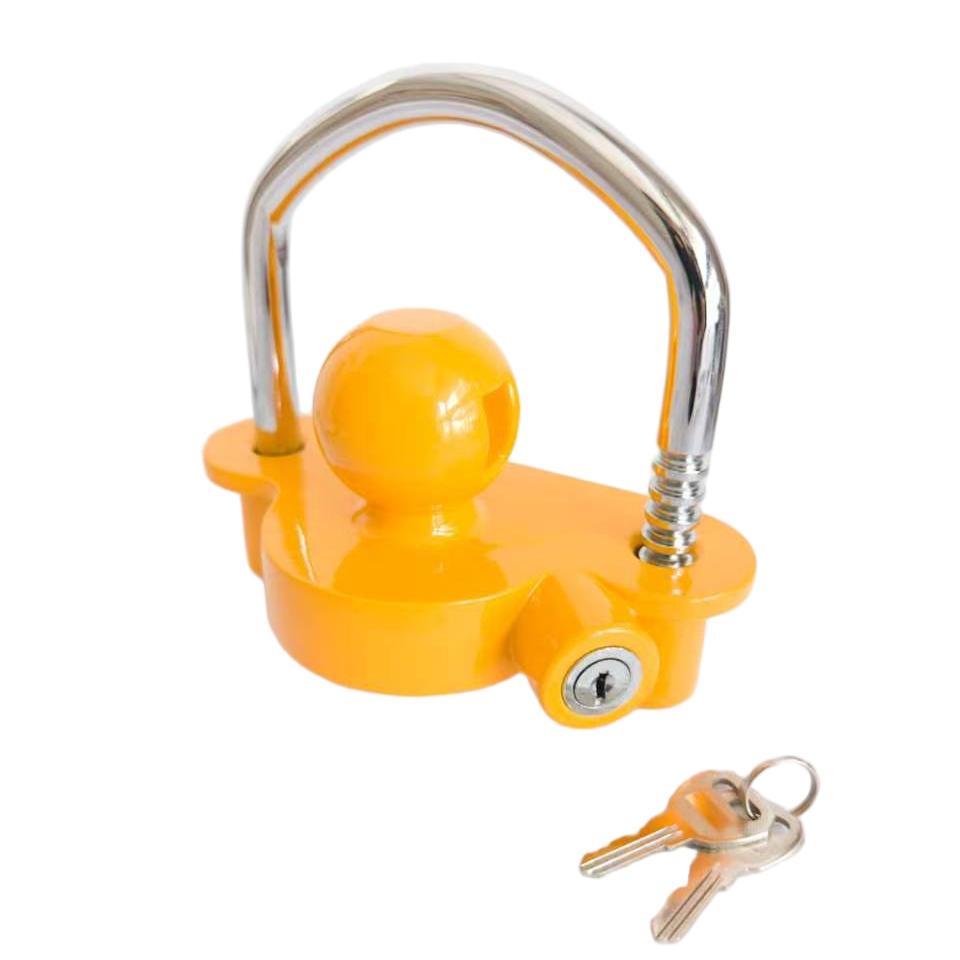
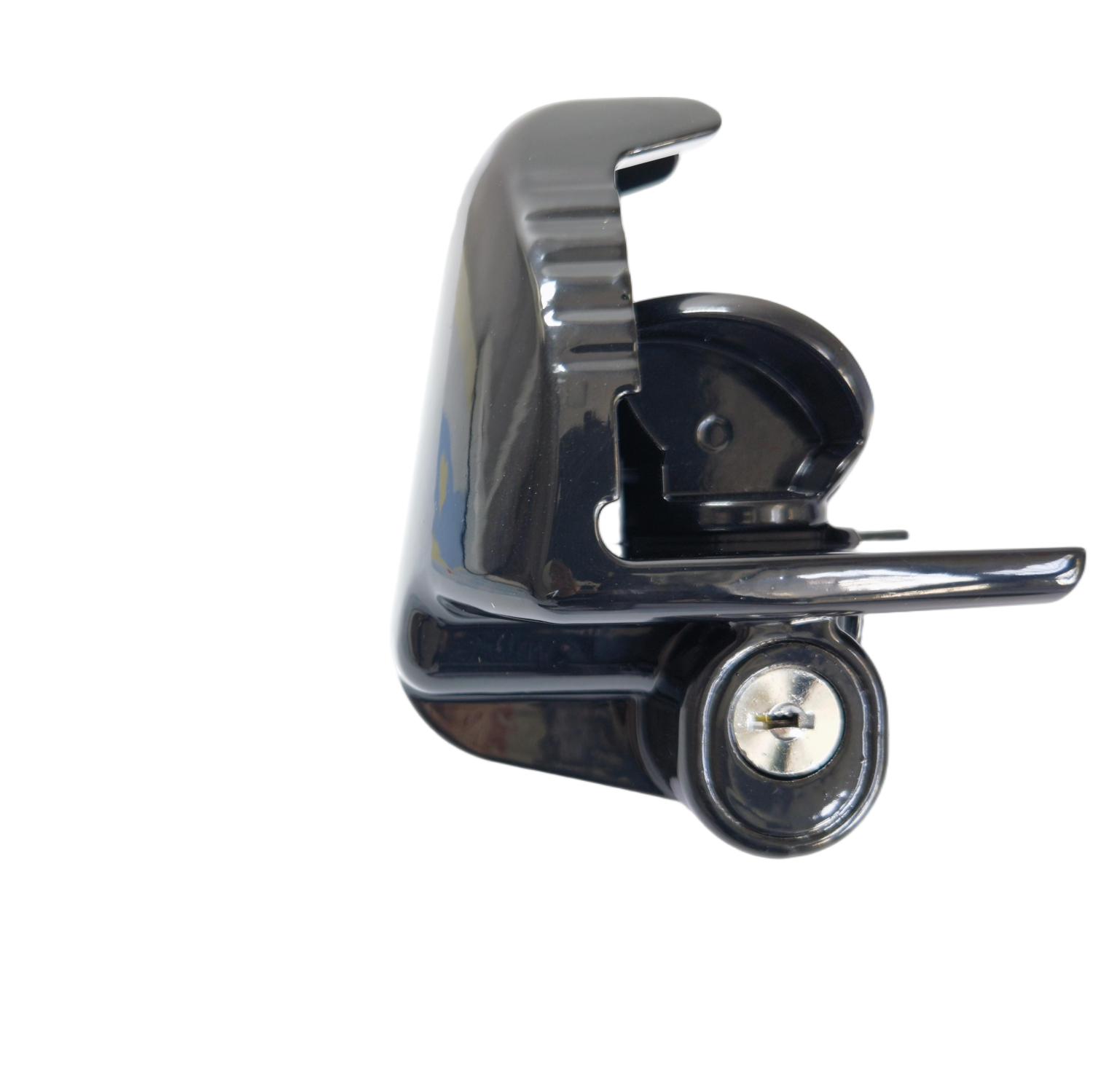
A trailer coupler lock is designed to prevent unauthorized coupling of a trailer to a towing vehicle.
In real-world usage, it must:
However, many low-cost products only focus on basic shape matching, not long-term durability or environmental resistance.
Outdoor trailers are exposed to rain, humidity, salt, and road chemicals.
Poor surface treatment leads to:
👉 This is not a design issue—it is a coating process control issue.
If manufacturing tolerances are not controlled:
👉 This is typically caused by unstable mold wear control or weak QC inspection systems.
Many low-cost locks fail under prying force not because of material strength, but because of:
👉 Structural engineering matters more than raw material hardness.
When sourcing trailer coupler locks, buyers should focus on:
Many buyers focus on material choice, but in practice:
👉 The real difference is not material alone, but how well the full system is controlled in production.
In stable OEM production systems, quality is controlled through:
This is where long-term reliability is actually determined—not at the final assembly stage.
Two products with identical specifications can perform very differently in the field.
The difference usually comes from:
This is why experienced buyers prioritize manufacturing capability over catalog specifications.
We support OEM and custom trailer lock development based on customer requirements and CAD drawings.
Our production capabilities include:
We focus on maintaining consistent quality across production batches for long-term supply stability.
For newly opened tooling projects, our standard MOQ is 1,000 to 3,000 pieces, depending on the product’s complexity and structure. We are flexible and fully support brand owners with smaller batches during market testing phases. The mold development and tooling cycle typically takes 35 to 45 days, and mass production begins immediately upon your approval of the initial golden samples.
We strictly implement a First Article Inspection (FAI) protocol before launching any mass production run. Throughout our in-house high-pressure die casting, precision CNC machining, surface finishing, and final assembly stages, we deploy on-site QC inspectors who conduct routing inspections every 2 hours. This includes rigid thread/dimension go-no-go gauge testing and continuous torque verification to ensure absolute consistency.
Absolutely. We offer two professional branding solutions to match your brand identity:
In-Mold Engraving / Casting: Your logo is engraved directly into the die-cast mold, creating a permanent, debossed/embossed finish integrated with the aluminum or zinc alloy housing.
High-Precision Laser Etching: Ideal for crisp text, barcodes, and serial numbers added post-surface treatment.
Our standard powder coating and surface treatments comfortably pass the ASTM B117 Neutral Salt Spray (NSS) test for 72 to 120 hours with zero red rust. For coastal regions or heavy-duty towing applications exposed to extreme road salt, we can upgrade to specialized multi-layer coatings or eco-friendly electrophoretic paint to achieve 240 to 500+ hours of superior corrosion protection.
Choosing the right trailer coupler lock is not about finding the strongest product on paper. It is about selecting a supplier who can control material stability, manufacturing precision, and coating performance over time.
For distributors and OEM buyers, the real value lies in consistent quality and reduced failure risk in mass production.
We support OEM trailer lock development based on your drawings, specifications, or target market requirements.
✔ Sample evaluation available
✔ CAD-based customization
✔ Small batch testing supported